
-

The Russia-aligned threat actor known as UAC-0184 has been observed targeting Ukrainian military and government entities by leveraging the Viber messaging platform to deliver malicious ZIP archives. “This organization has continued to conduct high-intensity intelligence gathering activities against Ukrainian military and government departments in 2025,” the 360 Threat Intelligence Center said in Read…
-

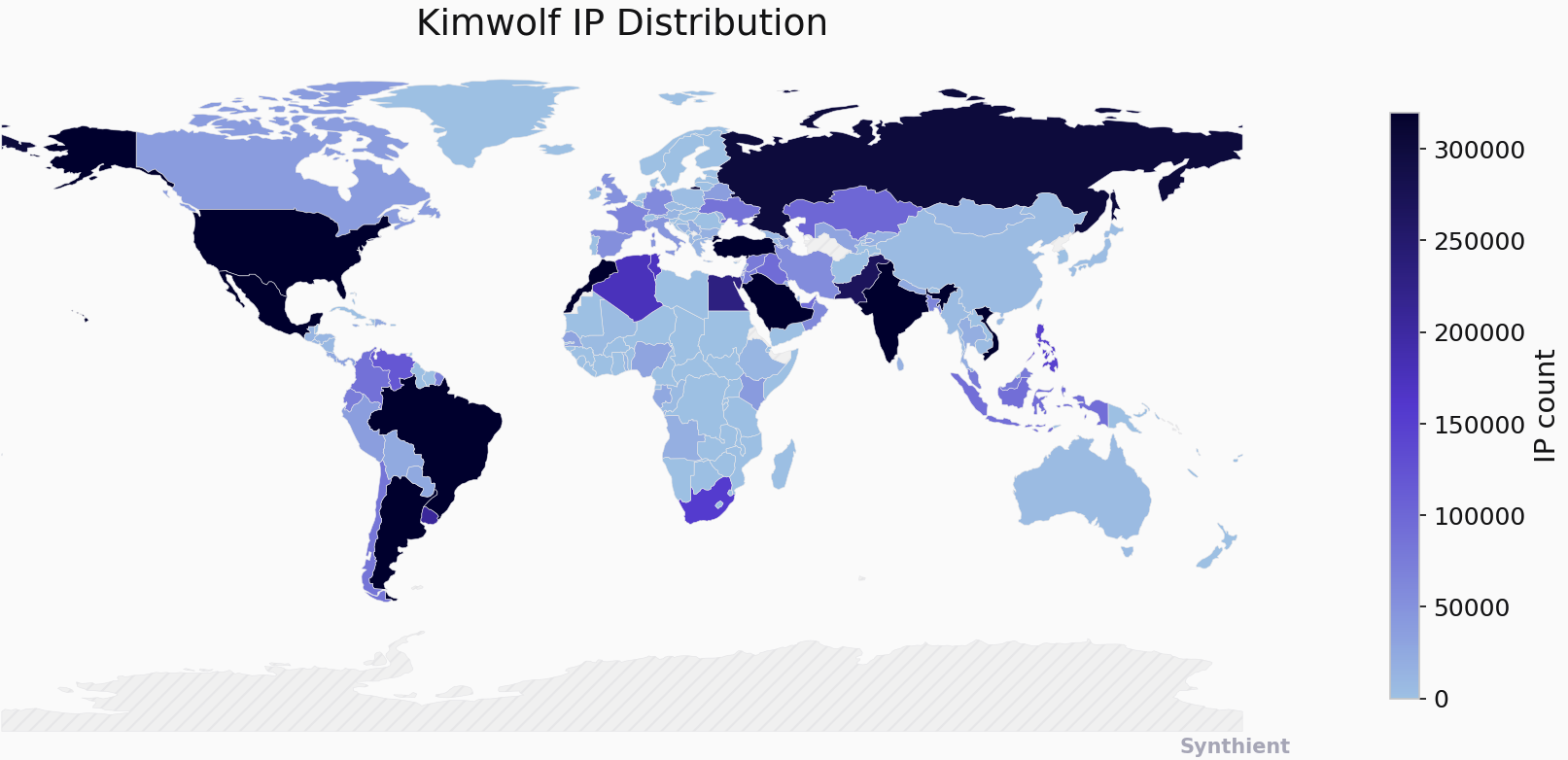
The botnet known as Kimwolf has infected more than 2 million Android devices by tunneling through residential proxy networks, according to findings from Synthient. “Key actors involved in the Kimwolf botnet are observed monetizing the botnet through app installs, selling residential proxy bandwidth, and selling its DDoS functionality,” the company said in an analysis published…
-

Recent attacks are targeting Next.js servers and pose a significant threat of cryptomining, botnet payloads, and other malicious activity to IoT networks and enterprises. Read More
-
The story you are reading is a series of scoops nestled inside a far more urgent Internet-wide security advisory. The vulnerability at issue has been exploited for months already, and it’s time for a broader awareness of the threat. The short version is that everything you thought you knew about the security of the internal…
-

Cybersecurity experts discuss 2026 predictions, highlighting the rise of AI-driven threats, the shift to resilience over prevention, and the urgent need for advanced security measures to combat evolving risks Read More
-

From securing MCPs and supply chain defenses to formal AI and quantum governance, experts share their wish lists for cyber safety in 2026. Read More
-

The threat actor known as Transparent Tribe has been attributed to a fresh set of attacks targeting Indian governmental, academic, and strategic entities with a remote access trojan (RAT) that grants them persistent control over compromised hosts. “The campaign employs deceptive delivery techniques, including a weaponized Windows shortcut (LNK) file masquerading as a legitimate PDF…
-

Attack Surface Management (ASM) tools promise reduced risk. What they usually deliver is more information. Security teams deploy ASM, asset inventories grow, alerts start flowing, and dashboards fill up. There is visible activity and measurable output. But when leadership asks a simple question, “Is this reducing incidents?” the answer is often unclear. This gap between…
-

The first ThreatsDay Bulletin of 2026 lands on a day that already feels symbolic — new year, new breaches, new tricks. If the past twelve months taught defenders anything, it’s that threat actors don’t pause for holidays or resolutions. They just evolve faster. This week’s round-up shows how subtle shifts in behavior, from code tweaks…
-

Cybersecurity researchers have disclosed details of a persistent nine-month-long campaign that has targeted Internet of Things (IoT) devices and web applications to enroll them into a botnet known as RondoDox. As of December 2025, the activity has been observed leveraging the recently disclosed React2Shell (CVE-2025-55182, CVSS score: 10.0) flaw as an initial access vector, CloudSEK…